Going Dutch On A Date
The question of who pays on a first date has sparked more debate than almost any other modern dating dilemma. As social norms continue to shift, the once-clear expectation that one person foots the bill has given way to a far more complicated conversation. Going halves — or "splitting the bill" — is increasingly common, but opinions on the practice remain sharply divided.
What the data says
Research suggests that attitudes towards splitting vary significantly by age and gender. Younger generations tend to be more comfortable going halves, viewing it as a sign of equality rather than indifference. Older daters, however, often associate paying the full bill with respect and romantic interest. Neither perspective is wrong — they simply reflect different values and expectations around dating.
The case for splitting
Going halves removes a great deal of financial pressure from both parties. When one person pays, there can be an unspoken sense of obligation — however unintended. Splitting the bill sidesteps this entirely. It signals that both people are entering the date as equals, with no strings attached. For many, that kind of clarity is refreshing, particularly in the early stages of dating when boundaries are still being established.
The case against splitting
On the other hand, some people feel that offering to pay — regardless of gender — is simply a gesture of generosity and care. It communicates that you value the other person's company and were glad to invest in the experience. Critics of splitting argue that going halves can feel transactional, reducing what should be a warm, human moment to something closer to a business lunch. Context matters here too; an expensive restaurant carries different implications than a casual coffee.
How to handle the moment gracefully
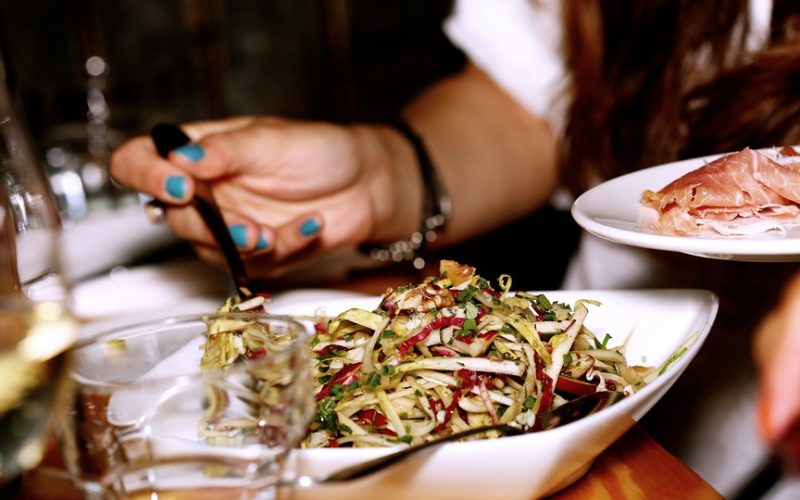
The awkward pause when the bill arrives is something almost every dater has experienced. The most important thing is to handle it with confidence rather than hesitation. A simple "shall we split it?" or reaching for your card without fanfare removes the tension immediately. If your date insists on paying, a genuine thank-you and an offer to cover the next round or dessert strikes a considerate balance. There is no universally correct move — but awkward silence is rarely the right one.
Communication is everything
Like most things in dating, the real issue is rarely about money itself. It is about what the gesture communicates. If you have strong feelings about splitting — or about not splitting — it is worth being upfront about it rather than waiting for the moment to arrive and hoping for the best. A brief, light-hearted comment before or during the date can prevent misunderstandings and keep the focus on enjoying each other's company.
There is no universal rule
Ultimately, there is no single right answer to the splitting debate. What matters most is that both people feel comfortable and respected. Some couples will split every bill from date one; others will take turns paying; some will follow more traditional arrangements. The best approach is one that feels honest and considerate — whatever that looks like for the two people involved.